
Vegan Protein Powder and Plant Based Supplements: A Practical Guide
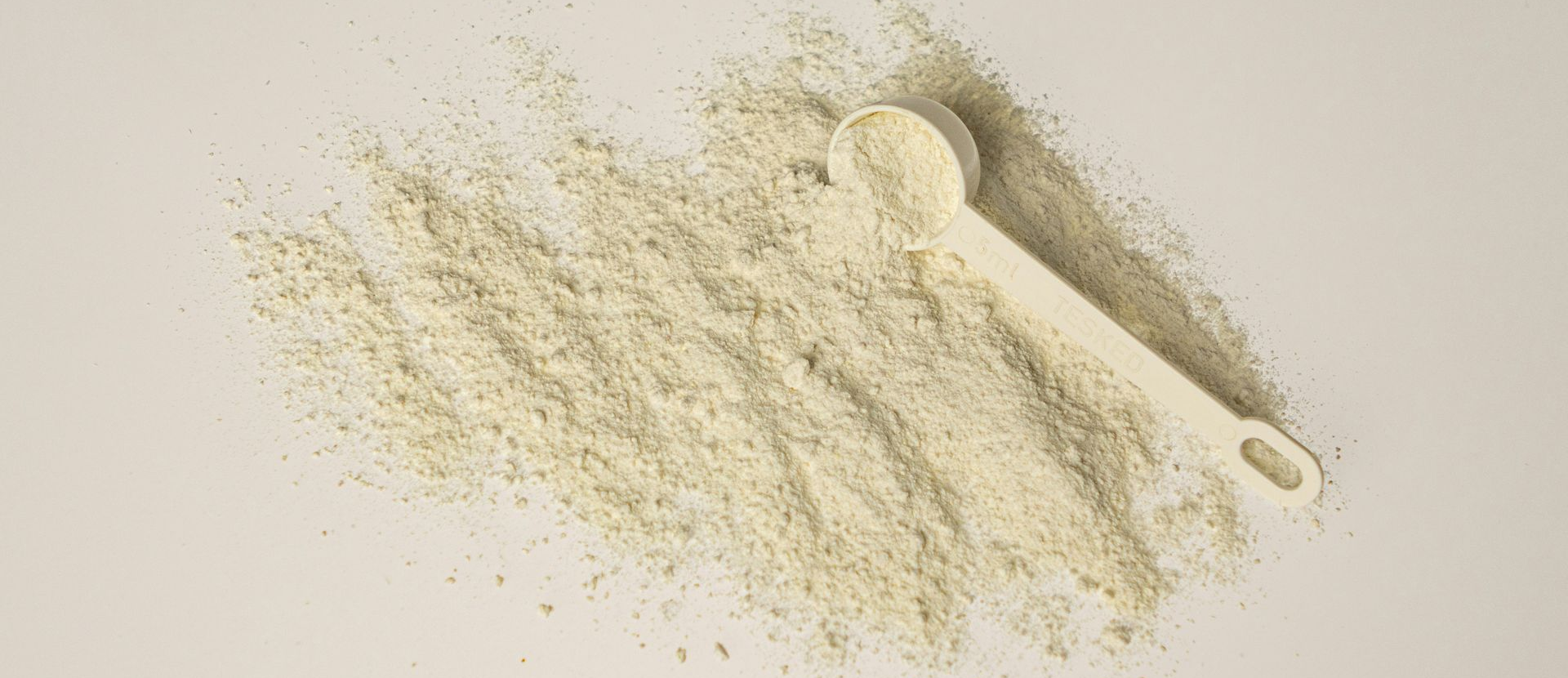
Plant based supplementation has moved a long way from the early days of chalky, poorly flavoured products that required significant compromise on nutrition and palatability. Quality plant based protein powders and supplements now compete meaningfully with their animal-derived counterparts across taste, mixability, and nutritional completeness.
This piece covers what makes a quality vegan protein powder and how to build a broader stack from plant based supplements that covers training performance, recovery, and daily nutrition without relying on animal-derived ingredients.
Vegan Protein Powder: What to Look for and Why It Matters
Adequate daily protein intake is the single most important nutritional variable for muscle building and recovery. Getting enough protein on a plant based diet requires more planning than on an omnivorous one, because most plant sources deliver less protein per gram of food and often carry incomplete amino acid profiles.
A quality vegan protein powder solves both problems efficiently. It concentrates protein from plant sources into a convenient, high-protein format and, when formulated correctly, covers the amino acid gaps that single-source plant proteins carry.
The protein sources worth knowing
Different plant proteins have different strengths and limitations. The best vegan protein powders address these through blending rather than relying on a single source.
Pea protein isolate is the most widely used plant protein base. It delivers 80 to 85% protein by weight, is high in leucine, and is well-tolerated digestively. Its main limitation is relatively low methionine content, which is addressed by blending with complementary sources.
Brown rice protein is higher in methionine but lower in lysine, making it a natural complement to pea protein. A pea and rice blend produces a more complete amino acid profile than either source alone and is the most common formulation in quality plant protein products.
Soy protein is one of the few complete plant proteins, containing all nine essential amino acids in meaningful amounts. It's effective for muscle support but not suitable for people with soy allergies or sensitivities.
What the label should tell you
Full amino acid disclosure matters more for plant proteins than for whey, because the gaps in single-source plant formulas are where quality differences show up most clearly. Every ingredient and its dose should be listed individually. The protein figure should come from the stated plant sources, not from cheaper amino acids added to inflate the nitrogen count on testing. Independent batch testing confirms label accuracy and is the most reliable quality check available in this category.
Building a Plant Based Supplement Stack
A well-constructed plant based supplement stack covers the same ground as any performance-focused stack: training performance, recovery, and daily nutrition. The plant based constraint removes some options and makes others more relevant.
Protein is the foundation. A quality pea and rice blend covers daily protein targets and supports muscle protein synthesis effectively when total intake is adequate. One to two serves per day fills the gap between what whole food provides and what training demands.
Creatine monohydrate is worth highlighting specifically for plant based athletes. Dietary creatine comes almost entirely from animal products, which means vegans and vegetarians have significantly lower baseline muscle creatine stores than omnivores. Supplementing with three to five grams of creatine monohydrate daily produces a more pronounced effect in plant based athletes than in people who already consume creatine through meat and fish. It's one of the highest-return additions a plant based athlete can make.
BCAAs or EAAs suit plant based athletes training at high frequency or in a fasted state. Plant based diets can be lower in leucine than animal-heavy diets at equivalent total protein intakes, which makes targeted intra-workout amino acid supplementation more relevant. EAAs cover all nine essential amino acids in one serve and are the more complete option for people whose dietary protein intake is inconsistent.
Pre workout supplements are relevant regardless of dietary preference. A quality plant based pre workout uses the same performance ingredients as any other formula: citrulline malate for blood flow and training volume, beta-alanine for lactic acid buffering, and caffeine for energy and focus. The plant based distinction applies to the inactive ingredients and manufacturing process rather than the active compounds.
Recovery supplements round out the stack. ZMA supports sleep quality and mineral replenishment. Zinc and magnesium are both more bioavailable from animal sources than plant sources, which means plant based athletes are at higher risk of deficiency in both. Collagen is one category where plant based athletes face a genuine gap, since collagen is animal-derived and no plant based equivalent delivers the same specific amino acid profile for connective tissue support.
FAQs
Is vegan protein powder as effective as whey for building muscle?
When total daily protein intake and amino acid profiles are matched, the difference in muscle building outcomes between a well-formulated plant blend and whey is small. A pea and rice blend covers the essential amino acid profile effectively. The gap is most relevant post-workout, where whey's faster absorption gives it a modest edge.
Do plant based athletes need more protein than omnivores?
Not necessarily more in absolute terms, but plant based protein sources tend to be less bioavailable than animal sources. Some nutrition researchers suggest plant based athletes target the higher end of the recommended range, around 1.8 to 2.2g per kilogram of bodyweight, to account for lower bioavailability.
Are all plant based supplements vegan?
Not automatically. Some supplements use capsules or coatings derived from animal products, or are manufactured in facilities that handle animal-derived ingredients. Check the label for vegan certification or contact the manufacturer if this is a concern.
Can I get enough protein on a plant based diet without supplements?
Yes, with careful planning. Legumes, tofu, tempeh, edamame, and seitan are all high-protein plant foods. A protein supplement makes hitting daily targets more convenient and consistent, particularly around training, but it's not a requirement if whole food intake is well managed.
Is creatine vegan?
Synthetic creatine monohydrate, which is what virtually all supplements contain, is produced through a chemical synthesis process and is not derived from animal tissue. It is suitable for vegans. Check the manufacturing credentials of the specific product if cross-contamination with animal products is a concern.
Benieuwd? Vraag een GRATIS adviesgesprek aan!









Bekijk ook onze diensten:
Lijst van diensten
-
Zoekmachine optimalisatie (SEO)
Om hoog te komen én om de nummer #1 positie te behalen binnen Google is er een sterke zoekmachine optimalisatie (seo) vereist. Bij Marcom.nl scannen wij eerst gratis jouw website en adviseren wij jou op het gebied van search engine optimization
-
Zoekmachine adverteren (SEA)
Zorg dat je gevonden wordt wanneer potentiële klanten via Google Zoeken en Maps op zoek zijn naar bedrijven als dat van jou. Je betaalt alleen voor resultaten, zoals klikken op je website of telefoontjes naar je bedrijf.
-
Sociale media MarketingLijstitem 1
Online B2B & B2C Marketingcommunicatie bureau Marcom beheert jullie sociale media, zodat jullie meer tijd over hebben voor andere bezigheden. Interesse? Lees verder
-
AI MarketingLijstitem 3
Optimaliseer uw marketing maximaal door het inzetten van AI tools!
-
B2B
Wij bieden speciale diensten aan voor bedrijven (Business-to-business)
-
Leads via LinkedInLijstitem 2
Krijg elke dag super warme leads via het social media platform LinkedIn